Innovative life story cards helping Wirral children understand their past
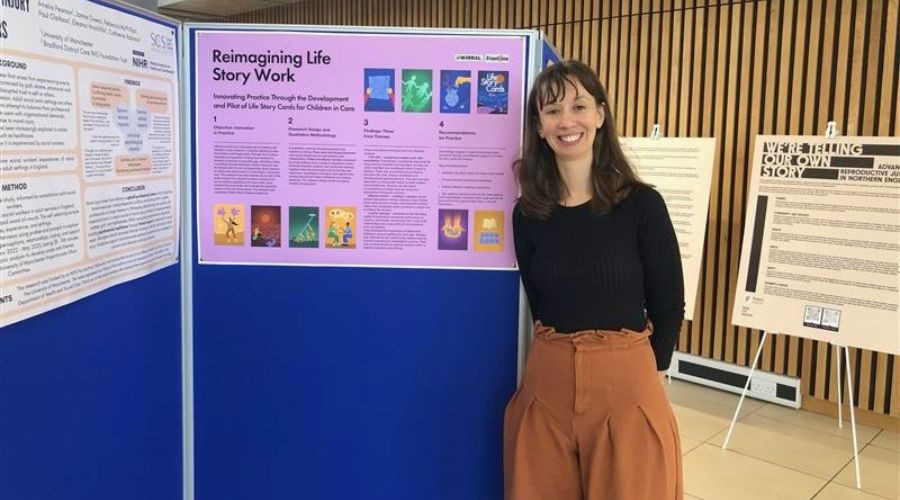
A Wirral social worker has developed an innovative new tool to help children and young people in care better understand their personal histories.
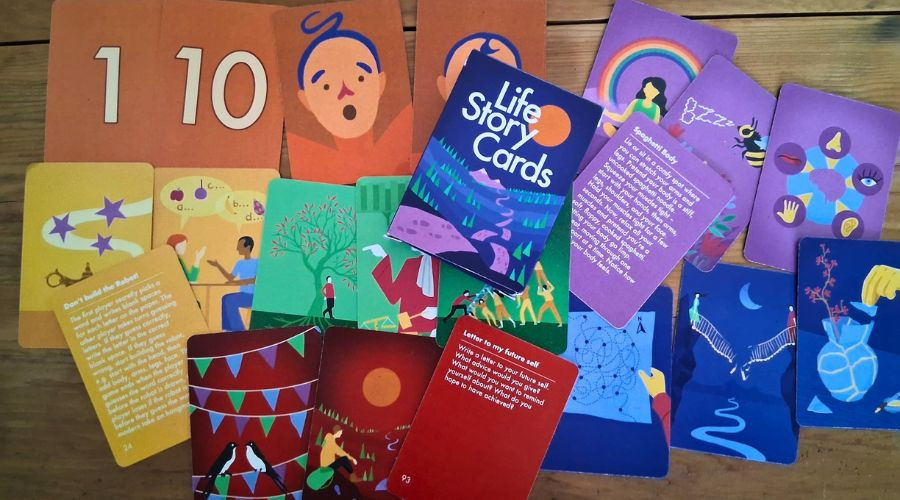
The Life Story Cards, created by Natasha Linford, aim to transform how social workers support children to make sense of who they are, where they come from, and why they’re in care.
Life story work is a vital part of children’s social care, providing young people with clarity about their identity and experiences. Yet in practice, it’s often inconsistent or delayed, with many practitioners reporting they lack the confidence or tools to deliver it effectively.
Natasha saw these challenges first-hand while working in Wirral’s permanence service, where children frequently had multiple social workers and fragmented records of their early lives. She describes life story work as “powerful and challenging”, something that can deeply help a child, but something many practitioners feel underprepared to tackle.
Natasha created the Life Story Cards to change that. Having worked as a social worker since 2018, she recognised that traditional life story work could feel overwhelming. Instead, she envisioned something “more consistent that could be integrated into social work practice”
Crucially, she wanted a tool that moved beyond a one-off book toward an ongoing, child-led dialogue that builds safety and understanding over time. The result is a practical, visually engaging deck that social workers can adapt to each child’s needs.
Her idea gained momentum when she joined the national Frontline Innovation Programme, receiving mentoring, attending a five‑day boot camp, and securing £4,000 to develop the concept.
Working alongside an illustrator, she created more than 90 hand‑drawn cards grouped into themed sections that gently guide conversations about identity, feelings, relationships, early experiences, and future hopes.
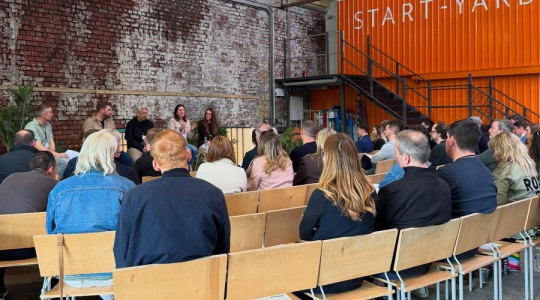
She also developed training materials, research surveys, and presented her work at the Social Work Research Conference in Lancaster. An initial pilot of 30 decks quickly expanded to 100 more due to demand.
The cards offer a wide range of tools: relationship‑building games, emotional regulation exercises, emoji‑style feeling prompts, timeline illustrations, metaphors exploring safety and trauma, and future‑focused reflections. These resources help children express themselves in ways that feel safe and accessible, particularly when words are difficult.
Early impact has been overwhelmingly positive. Wirral’s Children in Care Council and the Care Leavers Council responded warmly, especially to the interactive, game‑based elements.
Practitioners report increased confidence delivering life story work, more structured and meaningful sessions, improved emotional expression from children, and a sense of relief at having something practical to guide sensitive conversations. One newly qualified social worker described the cards as a “game changer” for her confidence.
Now, in her new role as ASYE (Assessed and Supported Year in Employment) Coordinator, Natasha is perfectly placed to continue the rollout: every newly qualified social worker in Wirral now receives a deck. Her long‑term ambition is for every practitioner to have access to the cards, helping embed thoughtful, child‑centred life story work into everyday practice.
Natasha’s work has also received national recognition, having been nominated for The Frontline Awards. But for her, the biggest achievement is the difference the cards are already making.
I’m proud of what the cards have already achieved. If they help even one child feel seen, heard or understood, then the whole project was worth it.