More residents supported to live independently as care services continue to improve
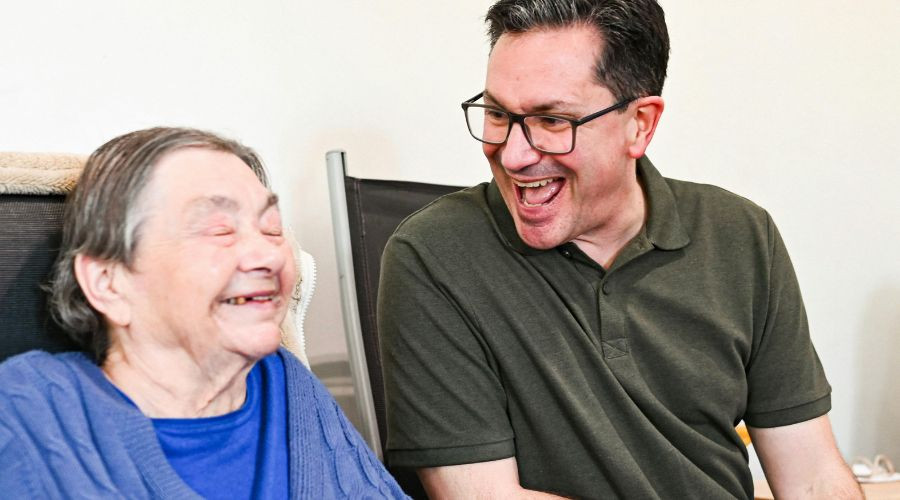
More people in Wirral are getting quicker help and support to stay healthy and independent, as adult social care services continue to improve and respond to the needs of local residents.
An update on this work will be presented to Wirral Council’s Adult Social Care and Public Health Committee on 9 June 2026. It brings together the Adult Social Care Quarter Four Performance Report alongside the latest improvement plan developed after a Care Quality Commission (CQC) inspection, showing how services are currently supporting people and how they will continue to improve.
Adult social care is the support Wirral Council provides to adults who need help with everyday life, such as personal care, staying safe, or continuing to live at home.
The latest update shows a clear focus on helping people stay independent. More residents are now receiving care at home instead of moving into residential care, helping people stay in familiar surroundings and remain part of their local communities.
This approach is supported by improvements in how people first contact services. More residents are getting the right advice and help at an earlier stage, meaning fewer delays and less need for more complex support later on.
- More people are supported to stay independent, rising from 42% to 53%
- More people are getting help within 28 days, increasing from 82% to 90%
- More people are getting the support they need at first contact, now around one in three people
For residents, this means quicker support, simpler access to services, and help that is better matched to their needs from the start.
Across Wirral, care services continue to support large numbers of people every day. Care homes remain an important part of this, with around 3,500 places available across the borough and most of them in use. At the same time, work to improve the quality of care in these settings is having a positive impact, helping to ensure residents receive safe and high-quality support.
Alongside residential care, there is a growing range of more flexible support options. Services like Shared Lives are increasing, offering people the chance to live with a trained carer in a family home, providing a more personal and community-based way to receive support. There is also continued support for people recovering after illness or injury, helping them regain confidence and return to everyday life as independently as possible.
Carers are also seeing improvements in the support available to them. Many more carers are now being recognised and offered help, with assessments increasing from 501 to 1,318. This means more people who look after family members or friends are getting the support they need for their own wellbeing.
Waiting times for key services are reducing as well. For example, the time people wait for occupational therapy, such as getting equipment or making changes to their home, has reduced from 106 days to 61 days. This helps people stay safe and independent more quickly.
While progress is being made, there are also clear plans in place to make services even better and more consistent for residents.
Work is already underway to continue improving access and support. This includes recruiting more staff to reduce waiting times, improving systems to make services easier to use, and providing more training so staff can offer consistent, high-quality care. Close work will also continue with NHS partners and local organisations to better join up services and make sure people get the right support at the right time.
There is also an ongoing focus on expanding support in the community, so more people can remain independent at home and have more choice in how their care is provided.
This work highlights the continuous progress from Wirral Council and partners to improve adult social care by building on current performance while planning for the future, helping residents stay independent, feel supported, and live well in their communities.