Wetland restoration project will benefit wildlife and residents
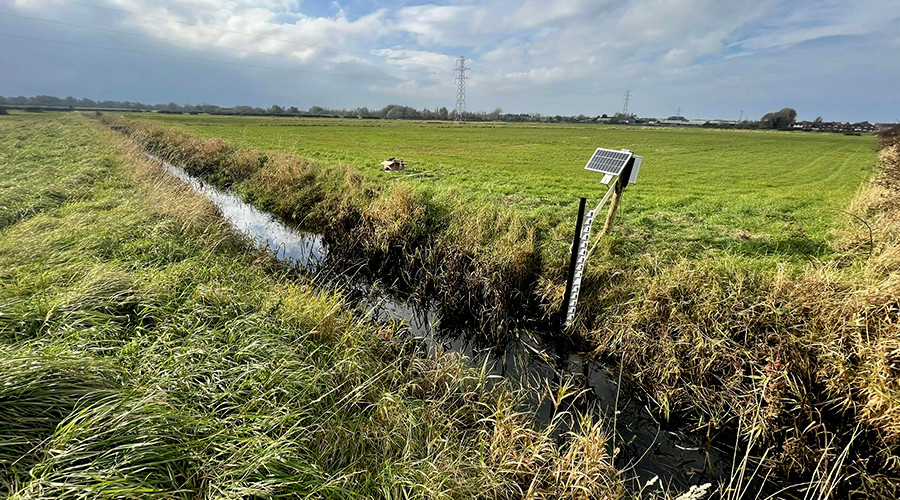
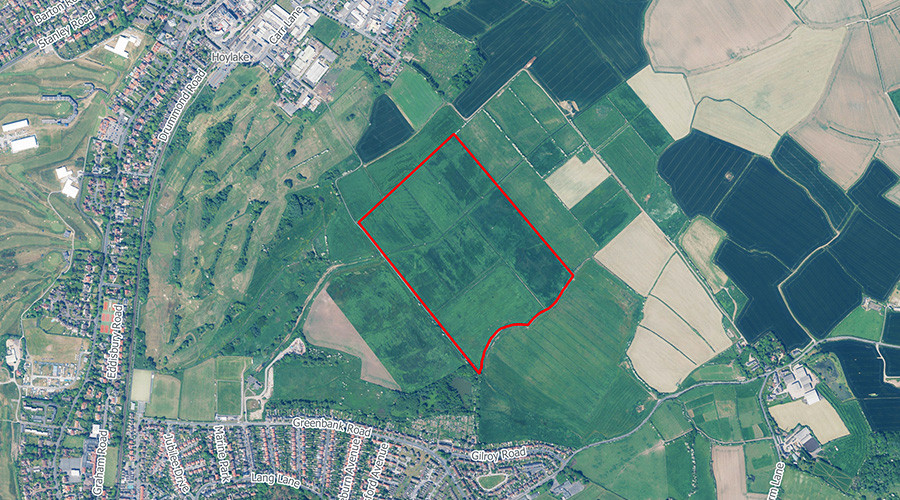
Cheshire Wildlife Trust is excited to announce that plans to restore a 24ha area of floodplain grazing marsh on the Wirral peninsula will be delivered in 2026.
The project, funded by the Environment Agency’s natural flood management programme1, will be delivered through a partnership between Cheshire Wildlife Trust and Wirral Borough Council. This will be the first step in a vision to restore and enhance biodiversity across the wider New Hall Farm site, close to Meols and Hoylake.
The partnership has already completed baseline habitat surveys, and monitoring on site is ongoing to ensure works can deliver the best outcomes for biodiversity and people.
The project will seek to restore natural processes by reconnecting a canalised section of the river Birket with its floodplain.
The proposals include the creation of a network of shallow scrapes across the land which will promote the spread of water across the floodplain during periods of heavy rainfall, resulting in water being held on site for longer. This will serve to slow the flow through the catchment and alleviate some of the impacts associated with flooding caused by extreme weather events downstream, all while providing a boost to biodiversity and a whole host of additional natural capital benefits.
The newly created wetland habitat features will support wetland birds including black tailed godwit and curlew which travel inland from feeding grounds on the Dee and Mersey Estuaries, providing vital habitats that can be used at high tide.
Both estuaries are designated as special protection areas (SPA) and recognised as internationally important sites for these species, many of which are under significant pressures.
Given the importance of these internationally designated sites, we must recognise the equal importance of the supporting habitat which connect these sites together, providing safe havens for roosting and breeding birds. The land at New Hall Farm is one such site, restoration here forms a crucial piece of the puzzle to support nature recovery both locally and regionally.

This project will be a really exciting opportunity to demonstrate how nature-based solutions can work in practice, delivering benefits for biodiversity and alleviating the impacts of flooding for our communities in tandem.
Historically the site was a functioning wetland, previously known as Hoylake Carrs and the proposed restoration will follow historic lines still visible in the ground where the river once flowed called paleochannels. The project will aim to turn back time while giving a new lease of life to this important and declining habitat. Holding water on site year-round will make it a haven for waterfowl and wading birds.
More than 90% of wetland habitat has been lost in the UK in the last century (JNCC 2023)2.
This project will also deliver benefits for local communities through the natural management of floodwater at peak flow in order to alleviate the impacts of flooding downstream. Allowing more water to be held on site and for longer will slow the flow and reduce peak height of the river during extreme weather events. During the development phase of this project, expert consultants were drafted in to aid in the design and modelling of the outcomes of this project.
We’re thrilled to be working alongside Cheshire Wildlife Trust on this exciting wetland restoration project. Not only will this work help to boost biodiversity and tackle the impacts of climate change, but it will also bring real benefits for local people from supporting flood management to enhancing green spaces. We’re looking forward to engaging with the community over the coming months and sharing more about this fantastic scheme that will help to shape a greener, more resilient future for Wirral.
Works on the site will be taking place during summer 2026 and will take several weeks to complete. The team will be monitoring wildlife on site during this time and after completion of works.