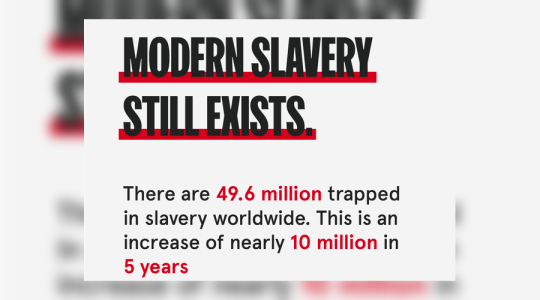
Spot the signs of Modern Slavery during Anti-Slavery Week 2026
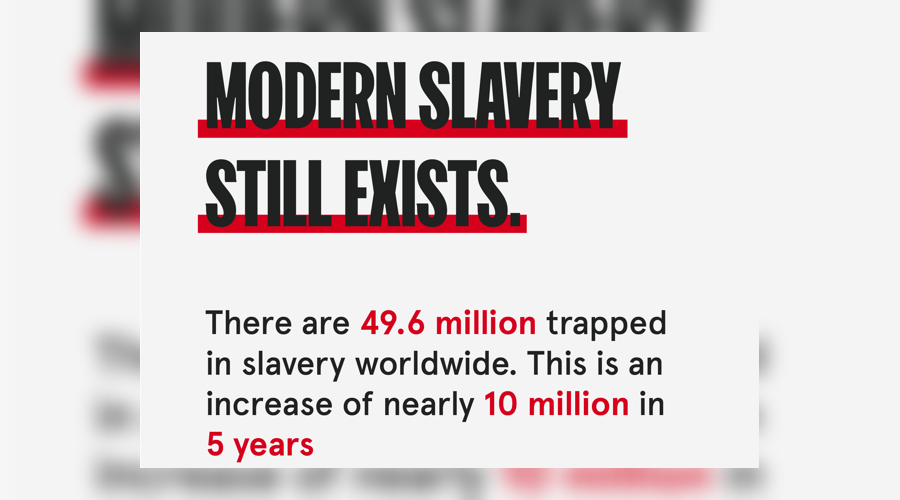
Anti-Slavery Week 2026 takes place from Monday 12th October to Sunday 18th October, with Anti-Slavery Day observed on the final day.
The theme for 2026 is “See Every Worker”, highlighting the importance of recognizing signs of exploitation and ensuring that all workers, from frontline staff to those behind the scenes, are protected from modern slavery.
What is modern slavery?
Anti-Slavery International define Modern Slavery as when an individual is exploited by others, for personal or commercial gain. Whether tricked, coerced, or forced, they lose their freedom.
Modern slavery encompasses human trafficking and slavery, servitude and forced or compulsory labour.
Human trafficking consists of three basic components: action, means and purpose of exploitation. All three components must be present in an adult trafficking case; for child trafficking the ‘means’ component is not required.
In human trafficking cases, exploitation can take many forms, including: sexual exploitation, forced labour, slavery, servitude, forced criminality and removal of organs.
Some people may not be victims of human trafficking but still victims of modern slavery if they have been subject to slavery, servitude and forced or compulsory labour.
Human trafficking is not the same as human smuggling. There are common myths about modern slavery, such as misconceptions that UK nationals cannot be victims and that a person cannot be a victim if they reject offers of help.
How to spot Modern Slavery?
How to report modern slavery?
Call the UK Modern Slavery & Exploitation Helpline on 08000 121 700
Report it online - File a report
The UK Modern Slavery & Exploitation Helpline is run by the UK charity Unseen. Unseen provide safehouses and support in the community for survivors of trafficking and modern slavery, and also work with individuals, communities, business, governments, other charities and statutory agencies to stamp out slavery for good.
Designated professionals from organisations like the police and local authorities can use the National Referral Mechanism. More information can be found here.
What is the council’s role?
The council is committed to opposing modern slavery and recognises the role it can play as a public sector organisation, and with our partners, in its identification and disruption.
The council is fully committed to using all avenues open to us to tackle modern slavery by using our statutory powers, role as a public procurer and through utilising the strengths of all our partnerships through wider awareness-raising.
Read Wirral Council's Modern Slavery statement here for full details.