Work begins at Hoylake Carrs wetlands
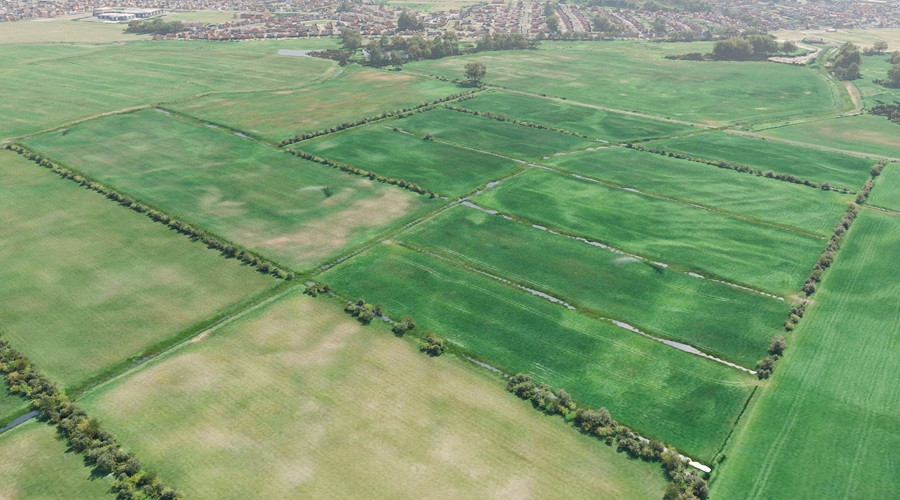
A major wetlands restoration project is underway in west Wirral with 24 hectares of grazing marsh set to be transformed through a partnership between Wirral Council and Cheshire Wildlife Trust.
Funded by the Environment Agency's Natural Flood Management Programme, the project aims to boost biodiversity while reducing flood risk through the restoration of natural habitats, and work has already begun to reconnect a section of the River Birket with its floodplain at a site forming part of the wider New Hall Farm near Meols.
Councillor Ann Ainsworth, Vice Chair of Wirral Council's Environment, Climate Emergency and Transport Committee, said:
Hoylake Carrs is a great example of the practical action we're taking in Wirral to address the climate and nature emergencies. This work will help restore an important wetland landscape, supporting wildlife, increasing resilience to flooding and bringing wider environmental benefits for the area.
I'm pleased to see this investment being made in one of Wirral's valuable natural spaces and grateful to all the partners involved in making it happen.”
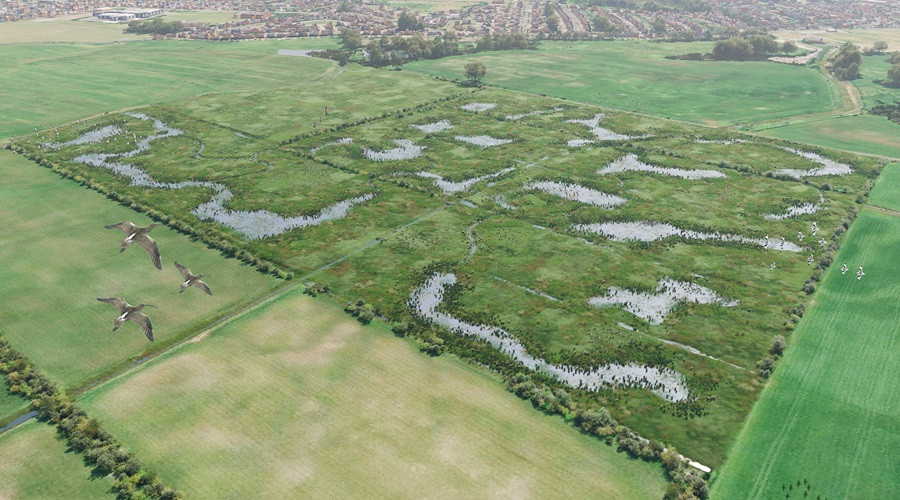
The landscaping work is taking place throughout the summer months and will allow the newly created landscape features such as scrapes and ditches to fill with water in the autumn in time for the arrival of the migratory wading birds, such as Black-tailed Godwit, that use this area to roost throughout late autumn and winter. The scrapes should then hold the water into next spring, encouraging waders such as Lapwing to breed on the site.
These scrapes are shallow features that mimic natural topography, holding water in the winter and gradually drying out throughout the spring and summer. Recreating this wetland will help to reduce flood risk while also enhancing a natural process that already occurs on the land. Wetland creation also offers wider benefits including carbon storage, filtering pollutants from the water and improving landscape resilience during periods of hot weather.
According to the Joint Nature Conservation Committee, more than 90% of wetland habitat has been lost in the UK in the last century2. Projects such as this are vital for restoring the natural balance of water in our environment, restoring natural habitat and increasing biodiversity in our urban areas.
Jack Helsby, the Senior Living Landscape Officer leading on the project said:
This natural flood management scheme is about reinstating the natural processes this land has lost, letting water slow down, spread out and sit where it wants to, rather than moving it on as quickly as possible. In doing that, we're also creating the conditions for wildlife to return and recover in abundance.
It's proof that tackling flood risk and nature restoration aren't separate jobs. In fact, healthy ecosystems are the underlying foundation for healthy communities and a resilient future.
A visual representation of the finished wetlands has been created using LiDAR, a mapping technology that shows the shape of the land. This reveals the historic routes of the river and its smaller channels, known as palaeochannels, which has guided the design of the new wetland features. Cheshire Wildlife Trust will continue to engage with the local community throughout the project, which is expected to complete in March 2027.