Committee to consider changes to public car parks
Members of Wirral Council’s Environment, Climate Emergency and Transport Committee will consider two reports on short and long-term changes to how public car parks are managed when they next meet on 10 March.
The first changes being proposed are the introduction of charges at car parks where parking is currently free and of a standardised overnight charge.
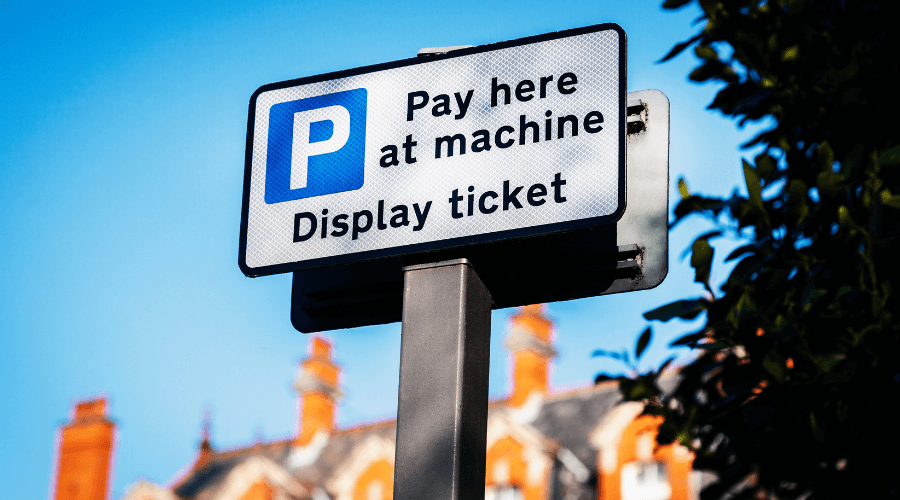
The longer-term proposal is the phasing out of parking machines in council car parks - and moving to using just mobile app and telephone payment methods - by 2030.
The introduction of charges at more car parks and the overnight charge was the subject of a recent public consultation process that ran from 14 January to 6 February 2026, which is a key part of the statutory process required for implementing a proposed Traffic Regulation Order (TRO).
All representations and objections received during the consultation have now been reviewed and summarised in the report to be discussed by members of the Environment, Climate Emergency and Transport Committee.
The proposals would introduce standardised parking charges, operational times and terms and conditions of use at a total of 49 Council‑managed off‑street car parks, including 22 sites that currently operate without fees. The proposed TRO also includes a standard overnight parking charge, which would apply across all 49 off‑street parking locations covered by the order.
In response to some of the feedback received during the consultation, officers are recommending that the Gunsite and Derby Pool car parks should be included in the existing country park parking permit scheme, due to their proximity to North Wirral Country Park. However, they do not recommend the same for New Brighton’s Fort Perch Rock car park, which is viewed as more closely linked with shopping and leisure.
In the other report being discussed at the meeting on 10 March, members will be asked to agree recommendations to approve the phased de‑commissioning of all pay‑and‑display parking machines in favour of payment by app or phone.
The report identifies a number of reasons why moving away from traditional pay‑and‑display machines is a good idea for the future, which includes increasing costs of maintenance and the ageing equipment becoming increasingly obsolete in terms of advancing technology.
It also reflects a national behavioural shift towards greater use of mobile payments with data up to early 2026 indicating that many UK councils have already removed, or plan to remove, traditional pay‑and‑display machines.
The report concludes that retaining or replacing pay‑and‑display machines is not financially or operationally sustainable.
Wirral’s cashless parking system, provided by JustPark, has been in operation for more than six years. The system allows motorists to pay by mobile app or phone in under a minute, receive expiry reminders, extend parking sessions remotely and access digital parking histories and VAT receipts. It costs 6p extra per transaction to use.
The report recommends a phased removal of machines beginning in 2026/27 when some existing machines will be moved to locations where parking charges are being introduced for the first time under the proposals covered by the other report.
In 2027/28 the idea is to reduce the number of machines to just one in each car park and then have them removed altogether by the end of 2030.
The parking proposals support the delivery of the Council’s approved Wirral Parking Strategy which aims to modernise payment systems and methods, optimise parking space management and ensure the long-term sustainability of public car parking services. Parking is a discretionary service, which means the council does not have to provide it by law, so it has to operate within a balanced budget.